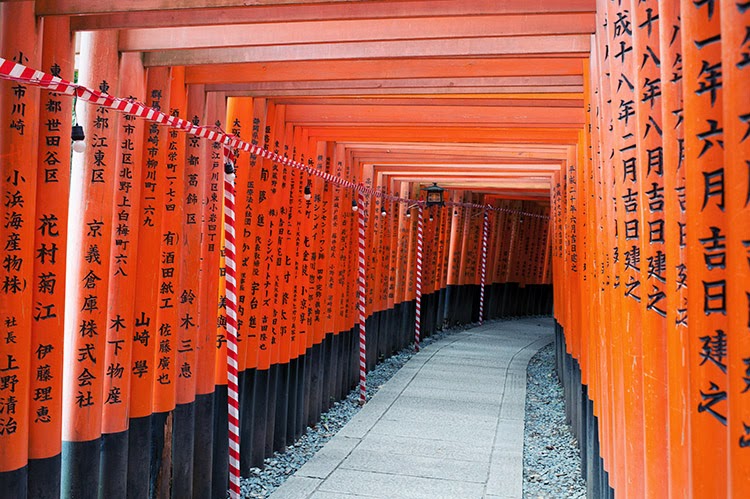
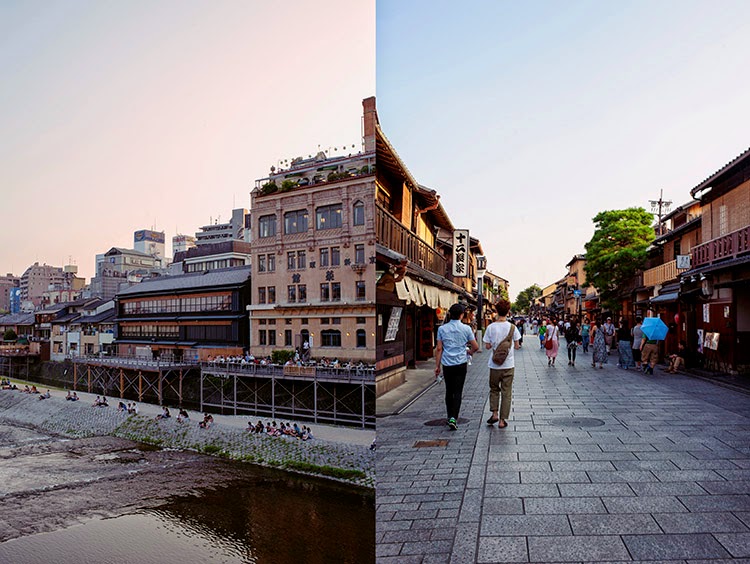
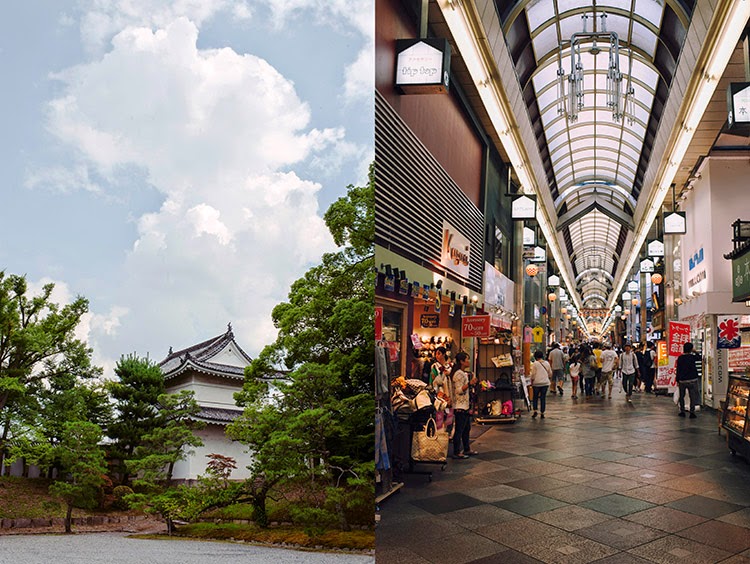
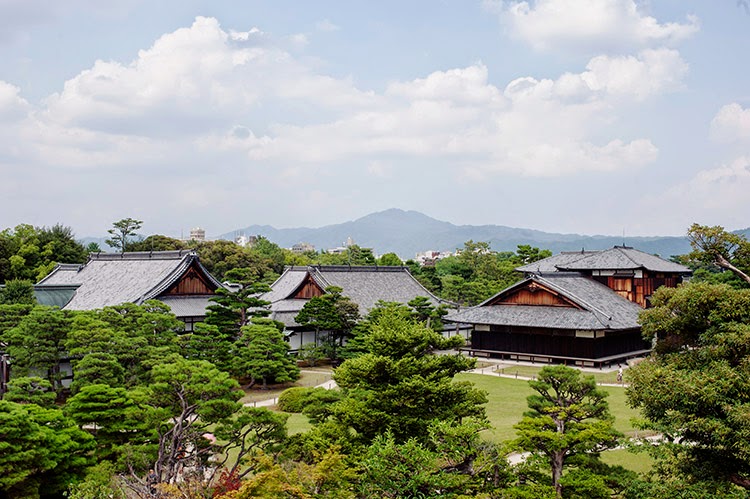
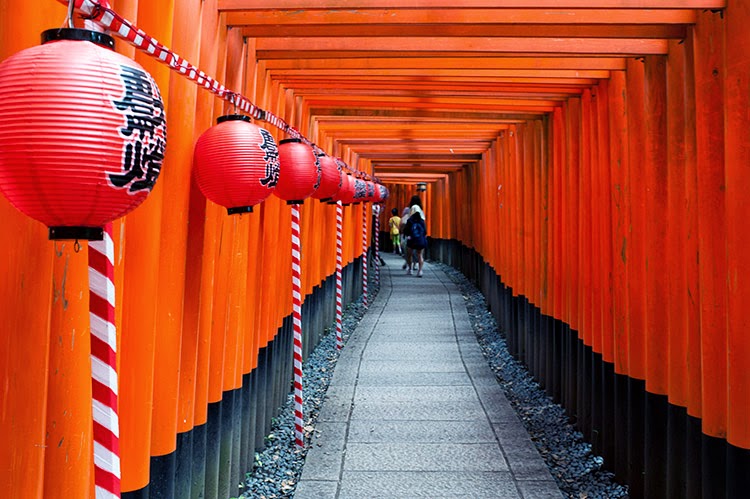
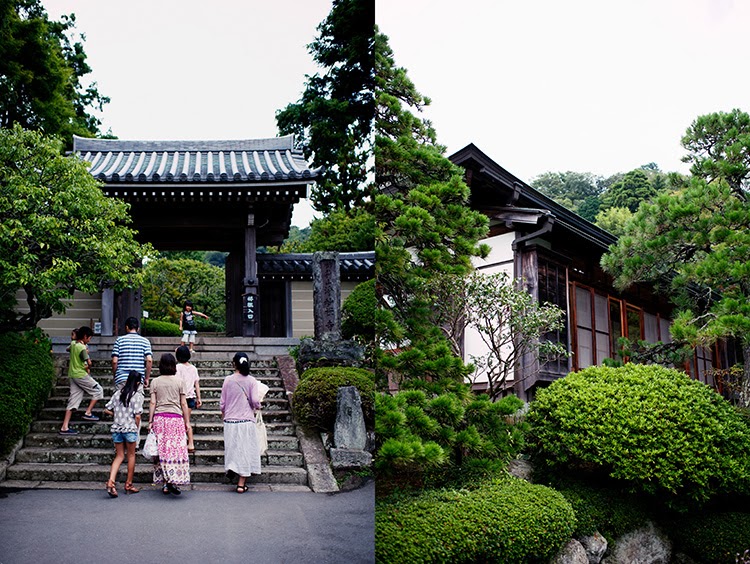
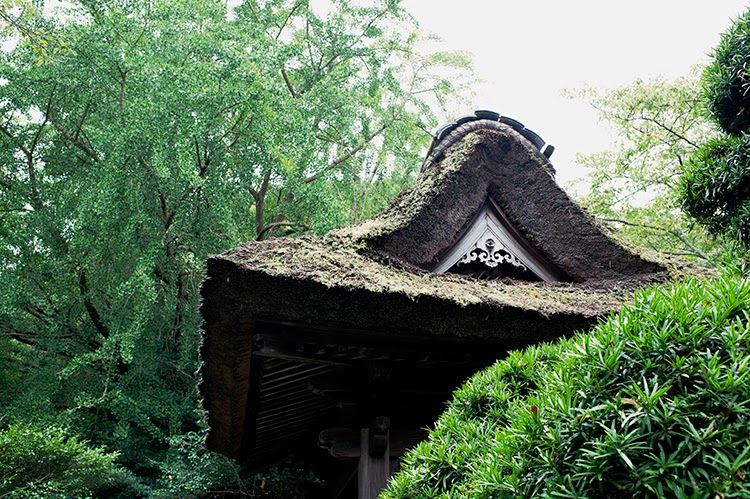
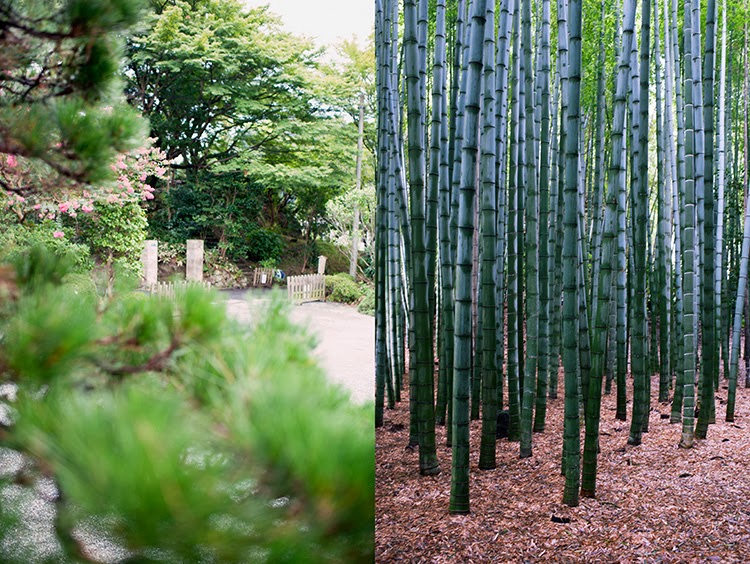
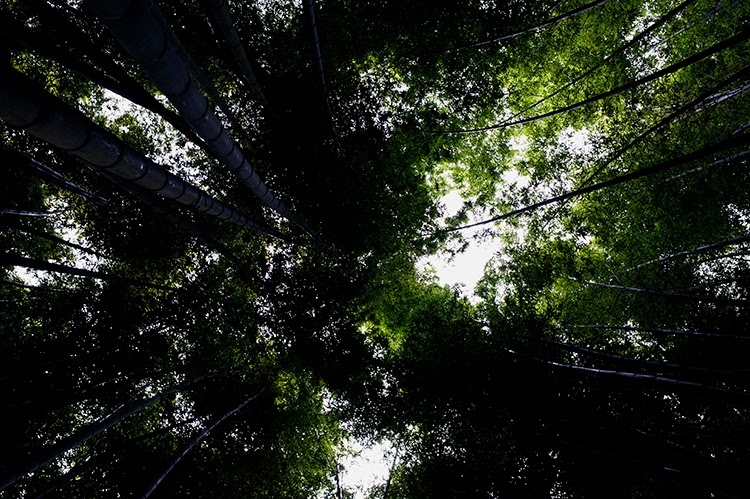
If I had to live in Japan, I would live in Kyoto. A city of temples, shrines, and imperialism, the ancient Japanese capital is a beauty with culture and history. I spent 3 days in Kyoto exploring the city. It was my first time in the city, and I did not expect how much I would fall in love with this cultural gem.
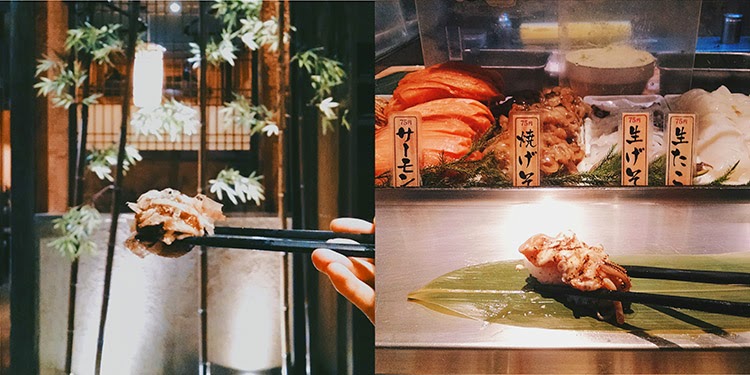
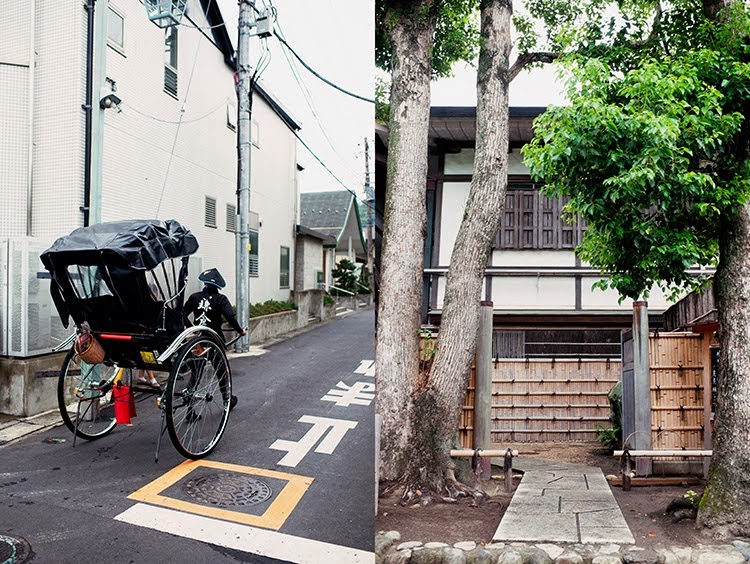
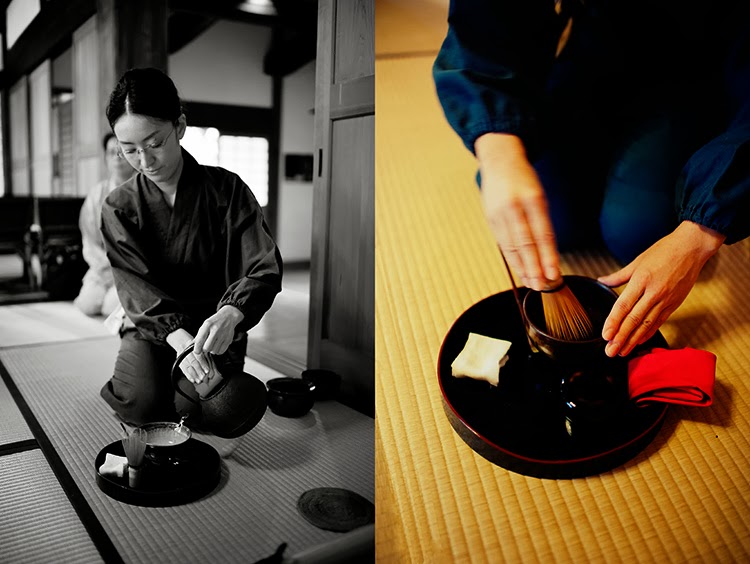
The quiet streets of Kyoto has a way of drawing you in, inviting you into the street front sushi shops, tempting you to try a local-favorite ebisu, greeting you to a tea ceremony accompanied by a Geisha or a Maiko, or walking you through the gates of the imperial palace.
The appeal of Kyoto is entirely in its rich but somehow understated array of cultural offerings. Most first time guests arrive in Kyoto without expecting to spend hours hiking up the mountain at Fushimi-Inari shrine. They don’t expect to find a real life Geisha in the Ginza neighborhood of Kyoto. They don’t expect to spend all their cash on matcha products. They don’t expect to get lost on their way to the next temple, and some hours walking the quiet quaint streets of Kyoto that has the feel of a traditional Japanese town. Yet, they do.
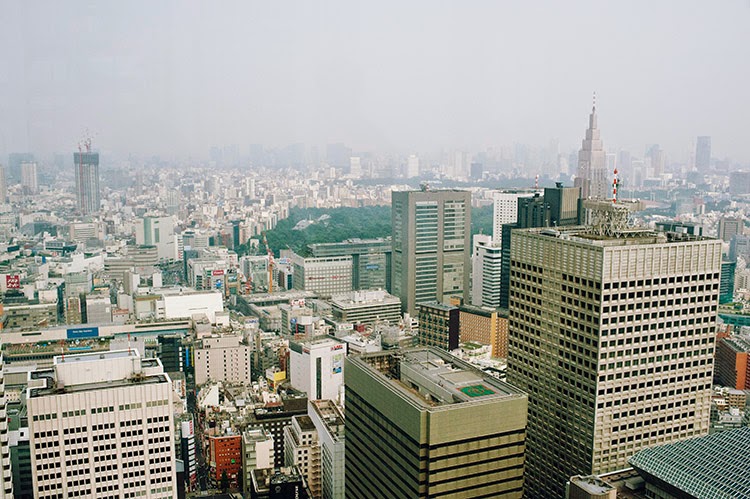
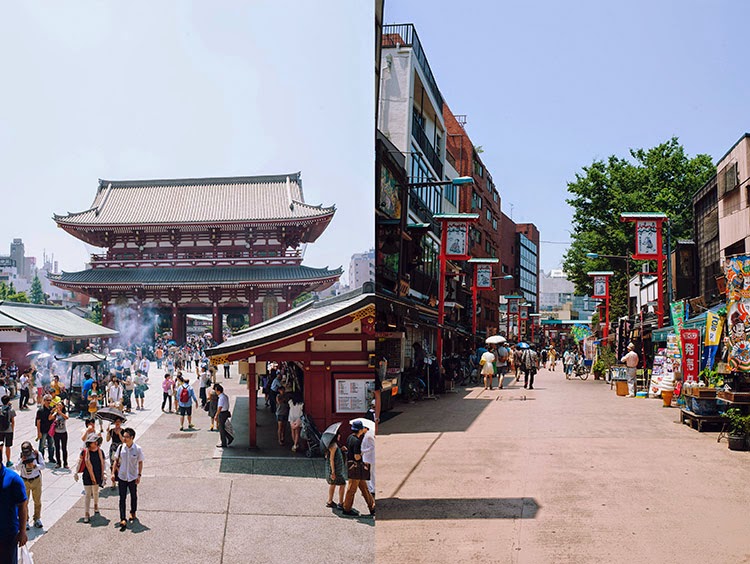
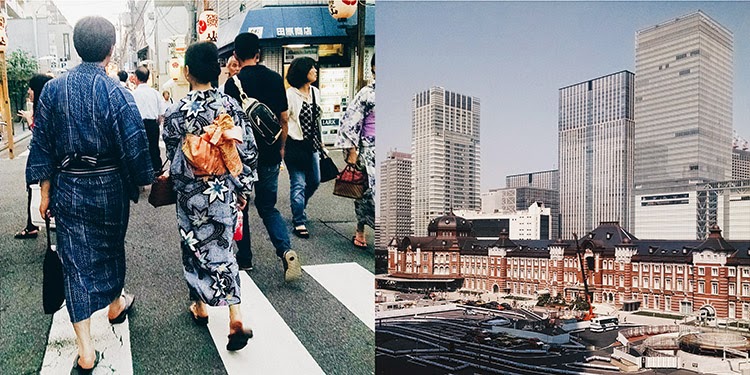
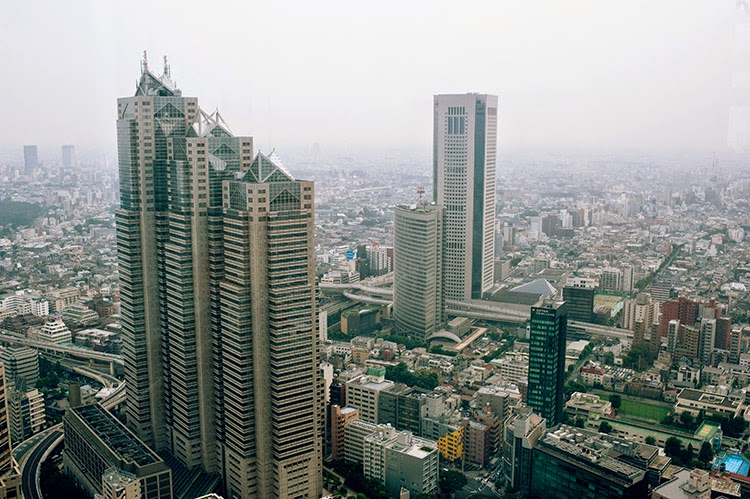
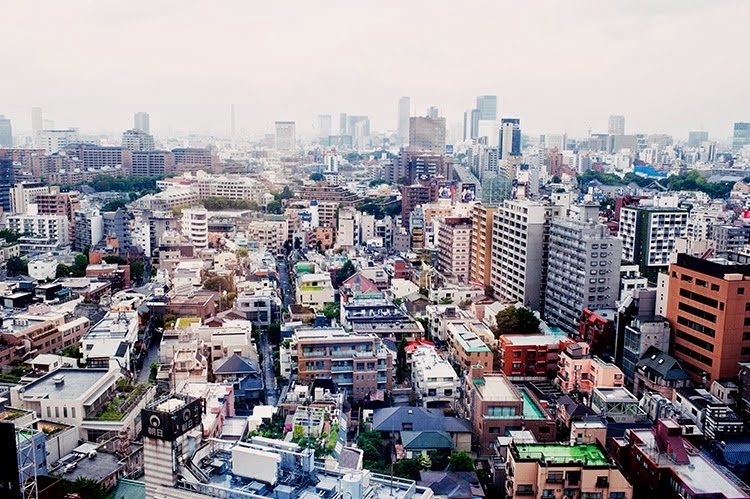
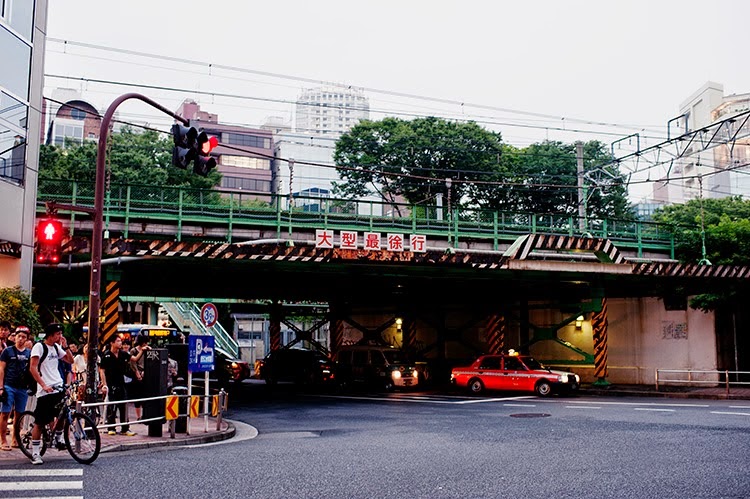
This is the second summer I find myself in Tokyo Japan. The first was exactly 1 year ago. As a second time visitor, I like to think that I know the city a little better know and can begin to experience the city not as an overwhelmed first-time guest, but as a familiar returning face. I like to think that I'm seeing the city less like a tourist, but more as a traveler.
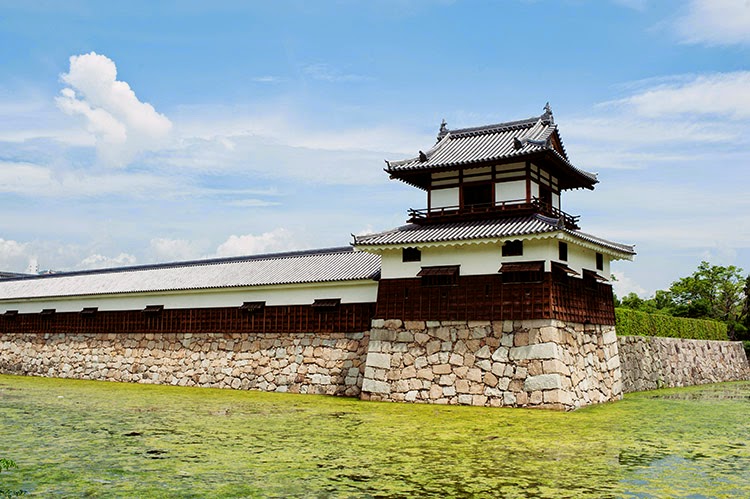
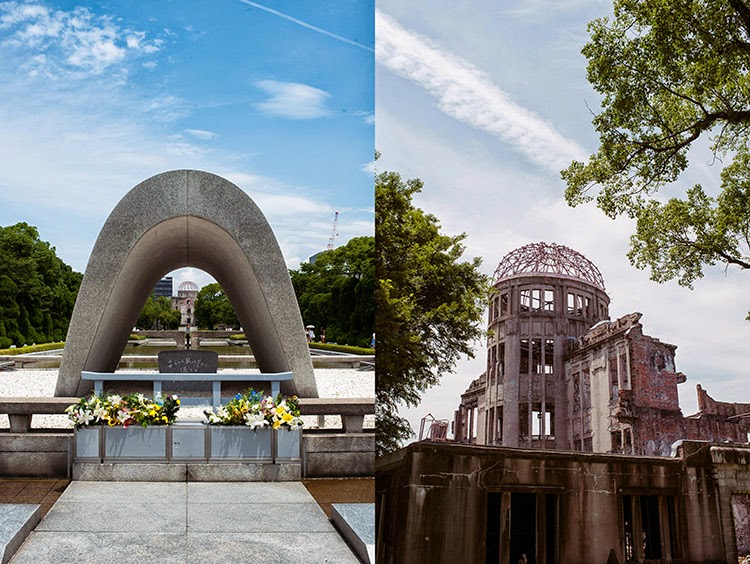
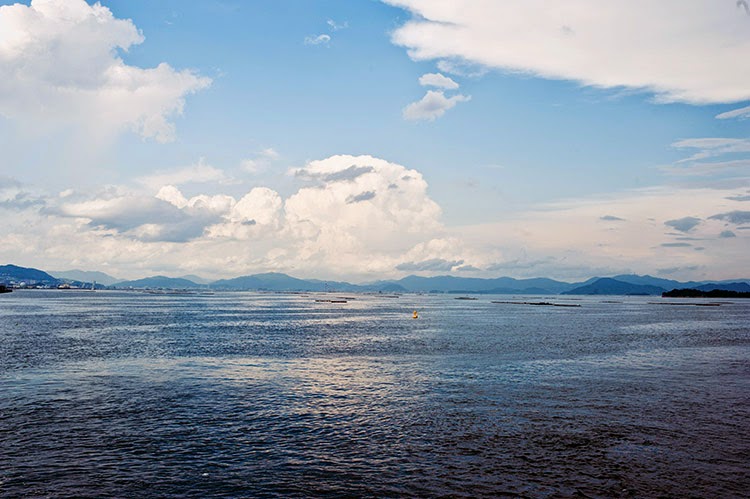
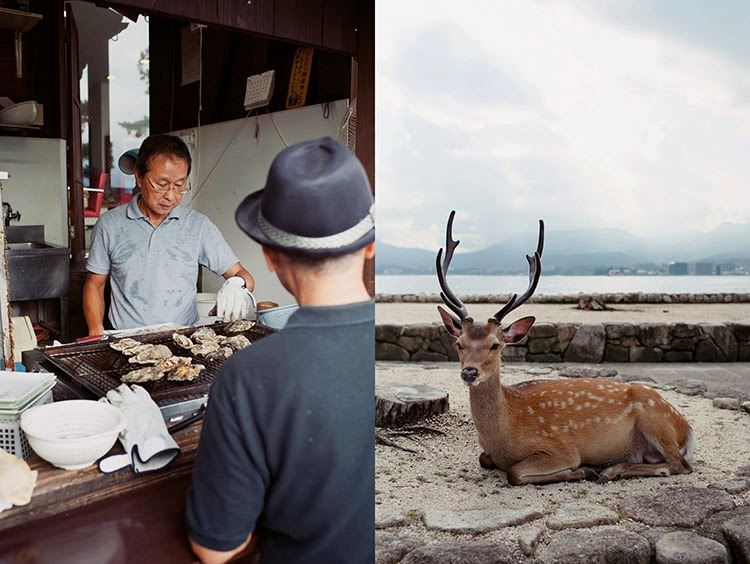
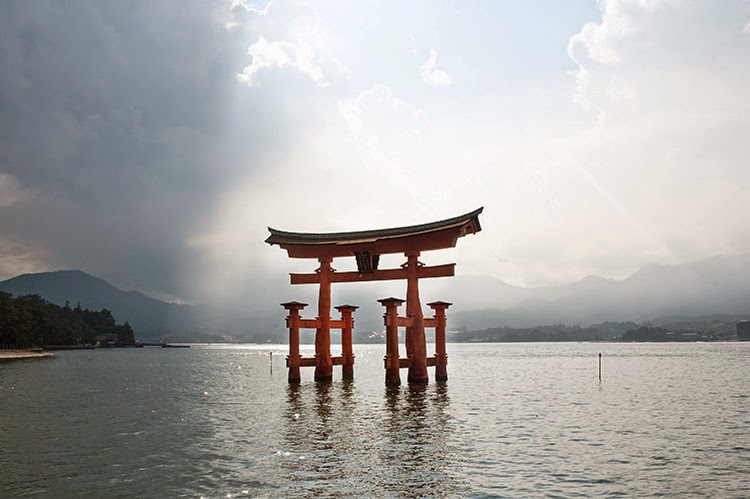
Those who have been to Hiroshima know that the city packs a sentimental atmosphere. Most go there to visit the Peace Memorial Museum, and to take in what is left over and rebuilt since World War II. Indeed, the atomic bomb left carries crucial significance on Hiroshima, on Japan, on America - on the world. And if you get a chance to go to Hiroshima, I would highly recommend a visit to the Peace Memorial Museum and Park. But I would also suggest seeing many of Hiroshima’s world heritage sites, tasting the city’s speciality Okonomiyaki, and even heading across the water to Miyajima to get a sense for traditional Japanese living. Only then can you count your Hiroshima experience complete.
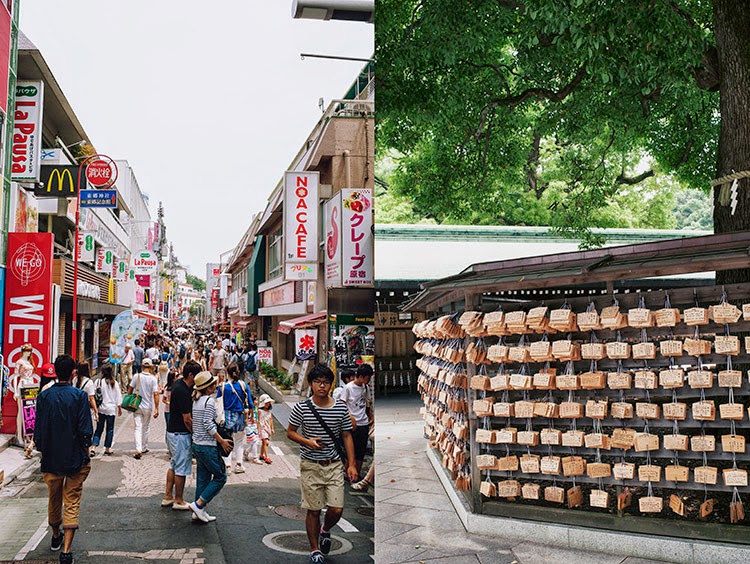
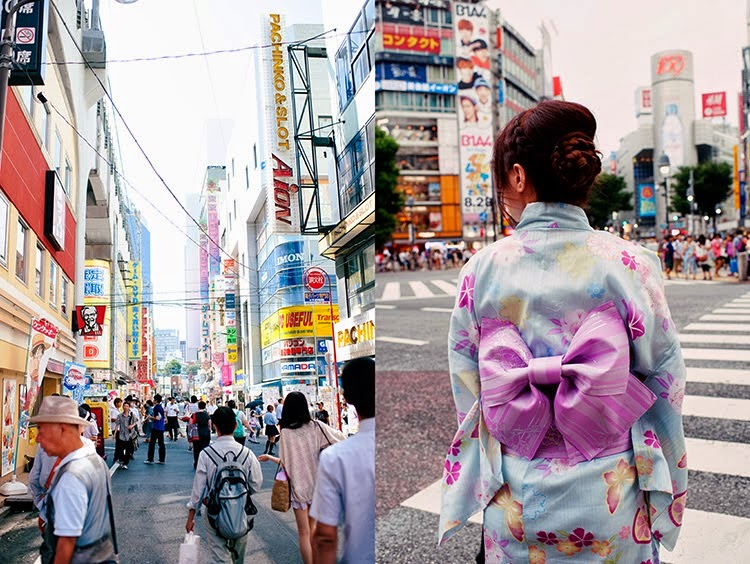
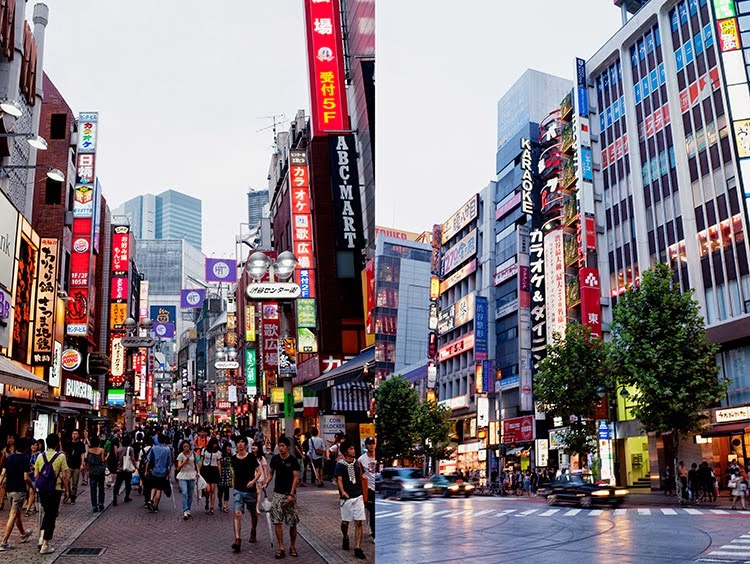
The streets are lit up at night by the shiny billboards of Shibuya Crossing, and the smiles on lovers’ faces. The city center is full of colors. Individuals dressed in whatever outfits they feel best represent their mood, from traditional to street hip hop. You can be whoever you want to be.
Tokyo is for the spiritual.
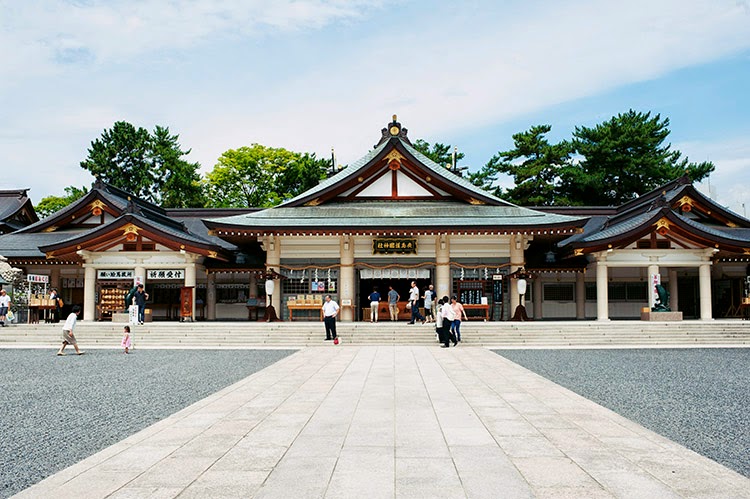
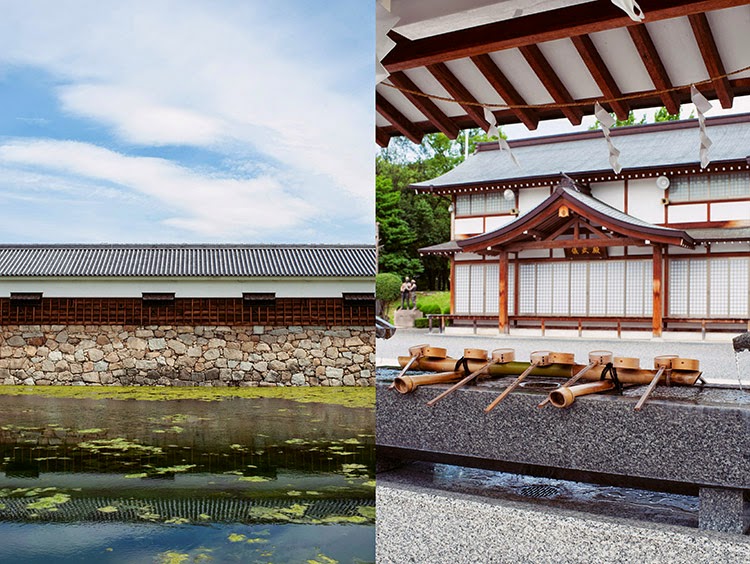
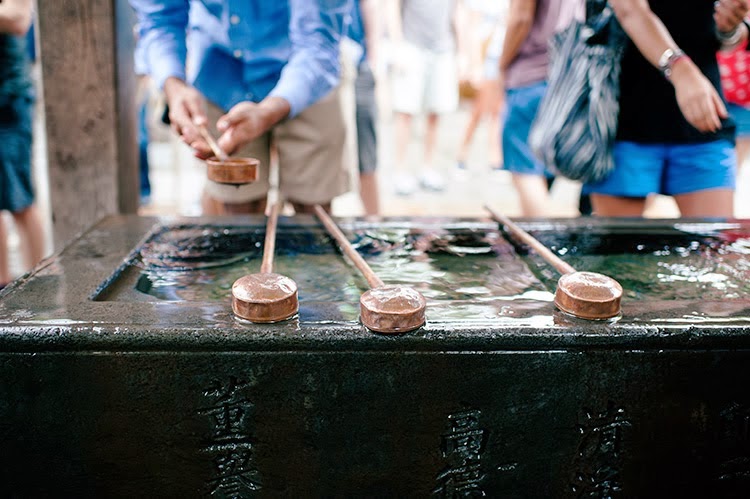
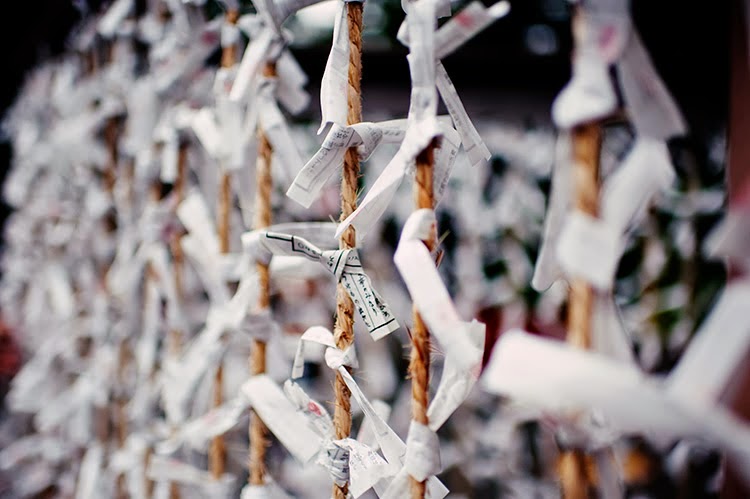
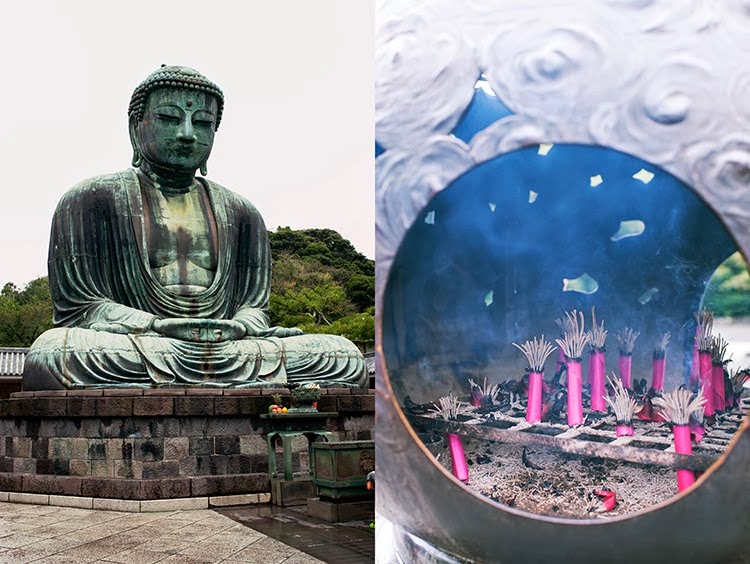
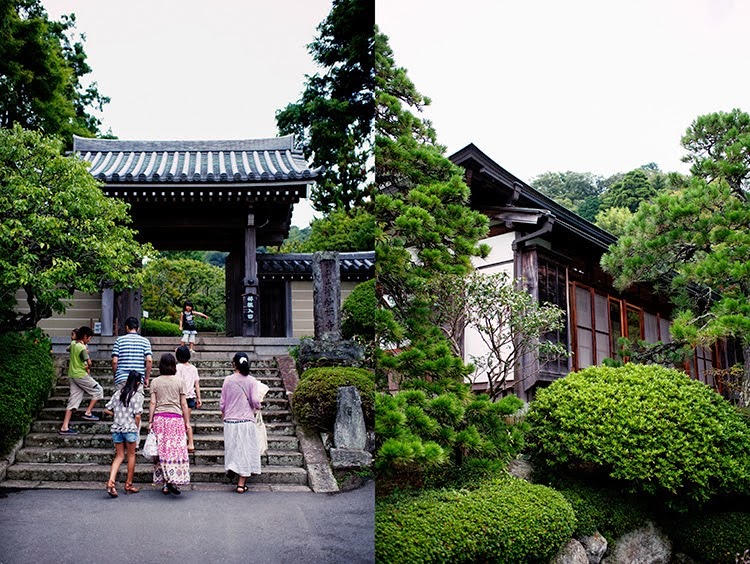
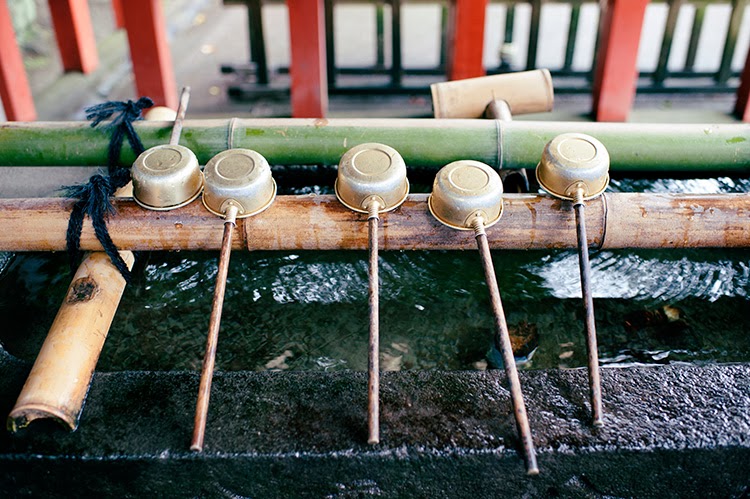
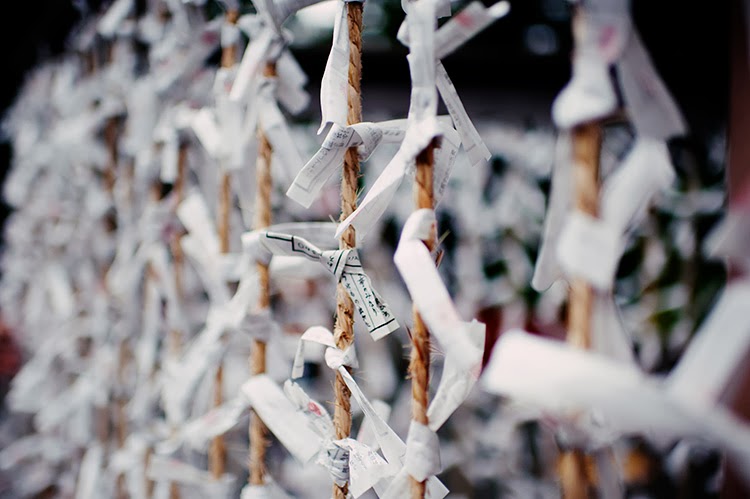
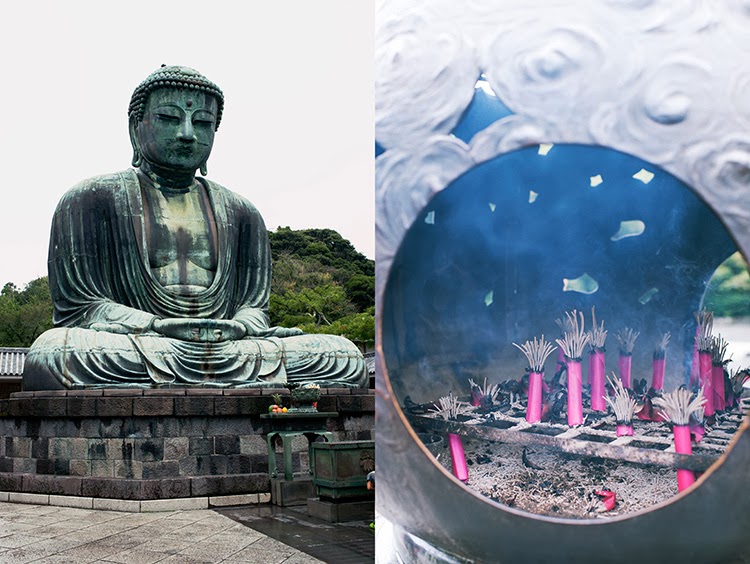
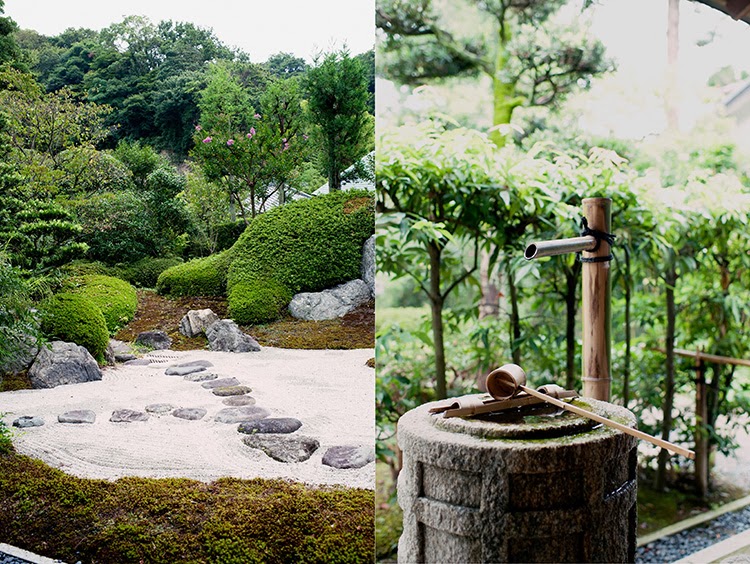
The smell of incense fill the temples and prayers flags hang in the air. Visitors are asked to wash their hands and mouth before entering the temple, to cleanse of all sins and dirtiness. A short walk away, at the Japanese rock garden, lines and circles are drawn in white sand and resemble ripples in the water. The landscape is a careful arrangement of rocks, pruned trees, and raked sand.
Tokyo is for the early-risers.
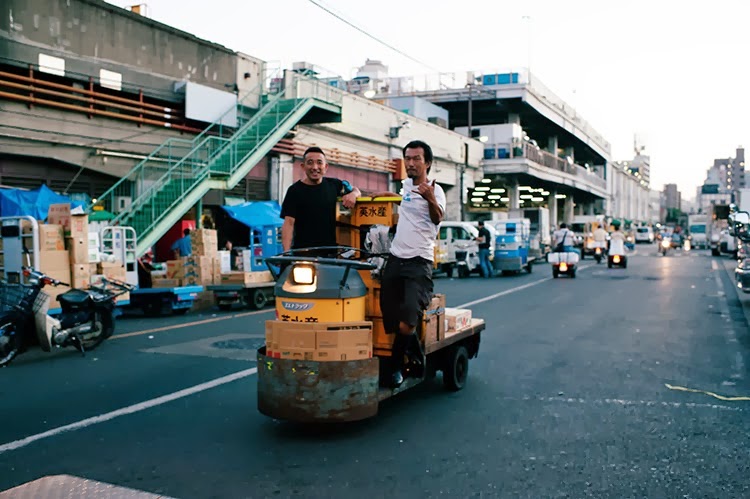
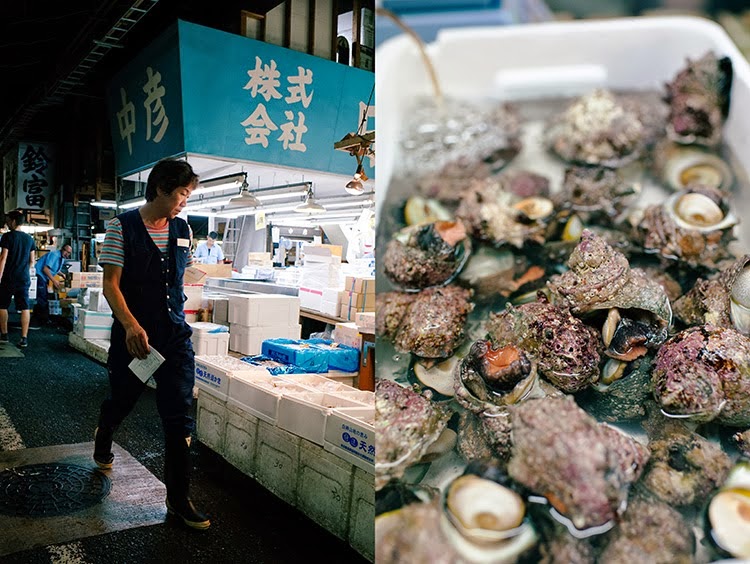
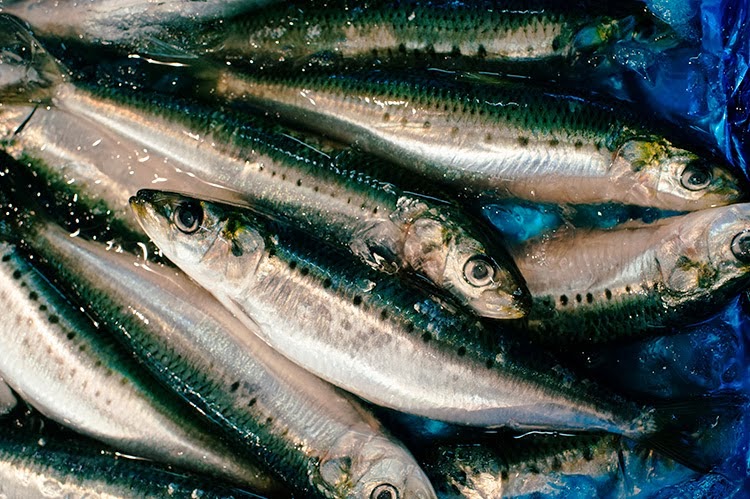
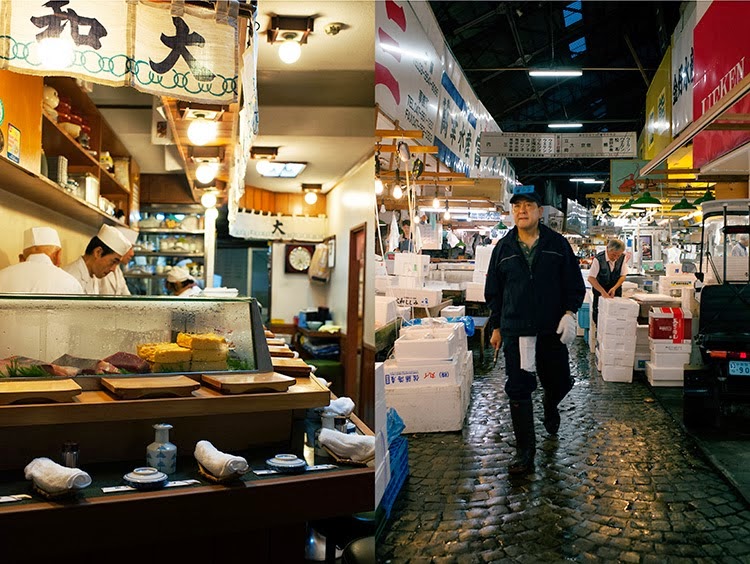
At 4am, fish vendors are setting up their booths. The light at each vendor’s stand light up the aisles at Tsukiji Fish Market - the largest wholesale fish and seafood market in the world. Tsukiji seems intimidating on the outside, but a closer look reveals that everything and everyone is moving at a routined manner. Fresh catch is loaded into the market by car, boat, or truck then parts are auctioned off.
Lines and circles drawn in the white sand form what is known as a Japanese rock garden. The dry landscape is composed of a careful arrangement of rocks, pruned trees, and sand raked to resemble ripples in water.
As I listen to our guide explain the garden arrangements, it amazes me the level of thought and detail that goes into every part of the Japan garden. Just like the depth of detail and meaning that frames a traditional tea ceremony. Just like everything else about Japan.
Welcome to Just-in-Time (JIT), a travel photography blog by Tracy Zhang. Began after a year of backpacking around Europe, JIT is a time capsule of 6 years of wanderlust.
As of August 2016, JIT is no longer being updated. For more projects from Tracy, find her at www.tracyzhang.com.
To read more about JIT and its original purpose, visit our About page.