





Before we formally bid China goodbye, we left our beloved Hong Kong to experience the mystical Macau. I’ve heard a lot about Macau and pretty much everyone recommended that I visit once I told them I would already be in Hong Kong in the better part of a week.
Macau was an elegant blend of Eastern culture and Western influence. It’s got a lot of shopping and gambling, of course, and indeed makes for a great short getaway from it’s neighbor, Hong Kong.
11:am arrival after a 1 hour ferry ride from Hong Kong
Arrive in the morning by ferry from Hong Kong. The roughly 1 hour ferry ride offers a scenic and relaxing view while you cruise the calm waters between the islands. If you know you’re traveling during a busy day, try to get the the terminal early to buy your ticket. We purchased our ticket from a ticket scalper who sold us regular-priced tickets from a sold-out ferry since we only got there 20 mins before the scheduled departure.
Once you’ve arrived at the Macau ferry terminal, you can head to the casinos right away on one of the free shuttles provided by the hotels and casinos. Or, you can take the bus for ~20 mins into the heart of Macau.
Noon: Senado Square
Senado Square is quaint town square with traditional Portuguese mosaic that echoed the architecture of what I saw when I was in Porto last summer. Stroll the area and check out the buildings nearby. The Square is a UNESCO World Heritage city and was the civic square of Macau when it was a Portuguese colony. Stalls in the streets and alleys around the square offer souvenirs and decent food.
As someone who spent a year living in Europe, I have to say that the architecture is not as authentic or grand as you would find if you were actually in a European country. Still, the uniqueness of its location, and the proximity of Macau to mainland China, makes this unexpected find worth the visit.
2pm: Checkout the Ruins of St Paul’s
Depending on the time of year, you may find yourself among a pretty big sea of tourists at Senado Square. If so, follow the flow of the crowd as it twists and turns into the narrow streets and find yourself at the foot of the Ruins of St. Paul’s. What once used to be an impressive cathedral like those you’d find in the European capitals, today only the church’s facade remains. The rest was burned down in the 1800s, but it’s still worth walking the grounds and checking out the artifacts they have on exhibit.


3pm: Head to Ah Ma Temple
You’ve just enjoyed the ornate facade of St Paul’s cathedral, so now let’s switch it up and visit one of the many Chinese temples in Macau. Ah Ma Temple is a famous one, along with Na Tcha Temple. Follow the traditions and light an incense while you’re there.
4:30pm: Get up the Macau Tower
I’m generally a big fan of going to a viewpoint with great height advantage. As a photographer, I’m almost certain that it would produce a great image of a city. At 338 meters tall, the Macau Tower is a popular attraction with an observation deck. You can even bungee jump from the tower, which more than 1 friend of mine has done in the past.
6pm: See you at the slots
Macau rivals Vegas as the biggest gambling hub, and no trip to Macau is complete without at least spending some time in the casinos. Even if you aren’t going to gamble, some of the casinos have ornate interiors that are worth checking out. Wynn Macau is one such casino, and some would probably say the same about the Venetian Macau, although I admit that the fake sky in the Venetian really makes me feel boxed in. Spend the rest of your night enjoying Macau lit up in the glimmers of the casino strip or find yourself reveling in your good fortunes at the casino tables.
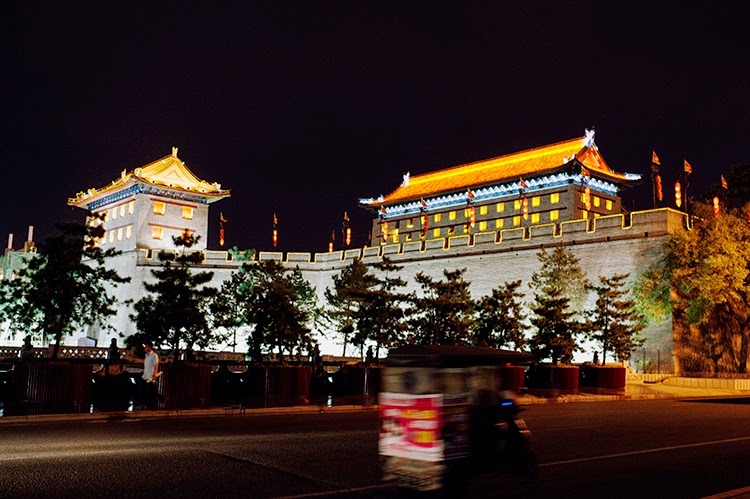
A far less crowded and dense version of Bejing, XiAn has many resembles to the current Chinese capital. Indeed, the city was once the capital of the country until the Tang Dynasty. Today, XiAn is a perfectly moderate combination of ancient history, muslim culture, street food, and religious sights. As I write this post, some 1 month after I’d left the city, I remember XiAn in humble colours of red lanterns, brown bricks, and grey rooftop tiles. I recall the smoky street stalls cooking Muslim delight. I remember clear skies that followed thundershowers. I remember the smell of sweetness in the air.
My suggested itinerary for a perfect three days in XiAn:
Day 1:
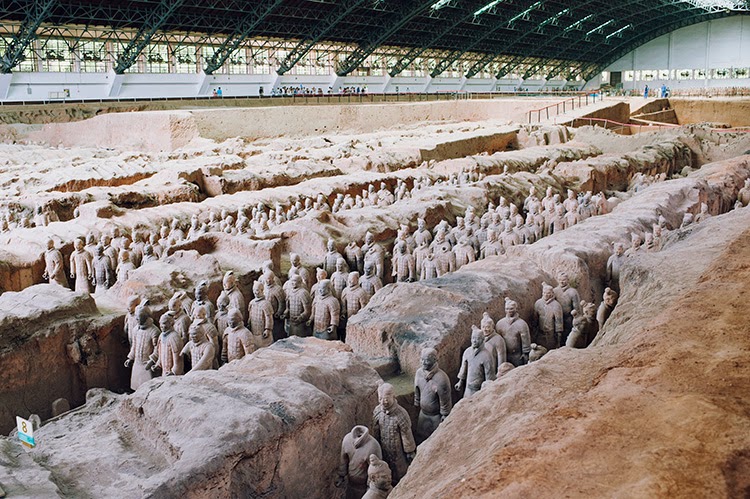
Morning: make the 1 hr journey out of the city to see the amazing Terracotta warriors. It’s worth the trip. A UNESCO World Heritage Site displaying more than 8,000 terracotta warriors from the Qin Dynasty, many come to XiAn for this attraction alone.
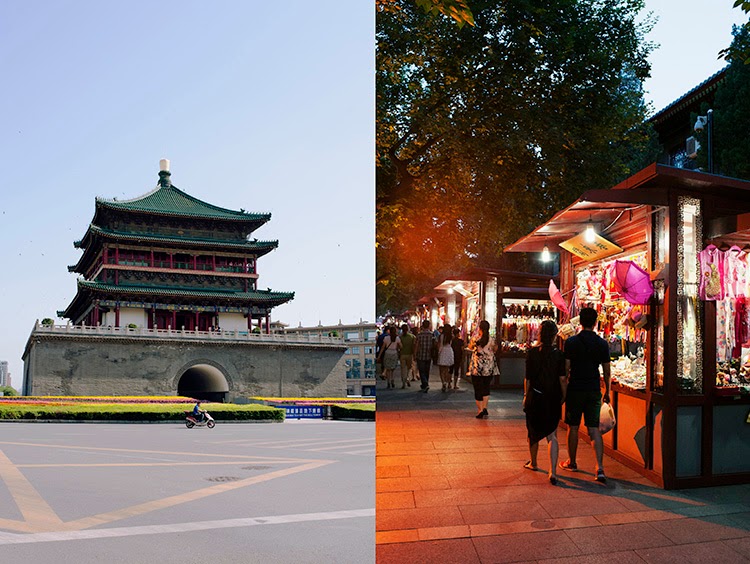
Afternoon: come back into the city and spend your afternoon touring the Bell Tower & Drum Tower. Serving practical significance in the historical era, the Towers give you a glimpse into how people used to live back in the day when ringing the city bell performed the task of a clock and drums reminded people of the calendar year.
Evening: spend your evening sampling the delicious food in the Muslim District, right off of the Drum Tower. The Muslim Quarter houses more than 20,000 Hui inhabitants, a Muslim ethnic group living in China. You’ll want to go light on portions so you can eat at a few different street stalls.
Day 2:
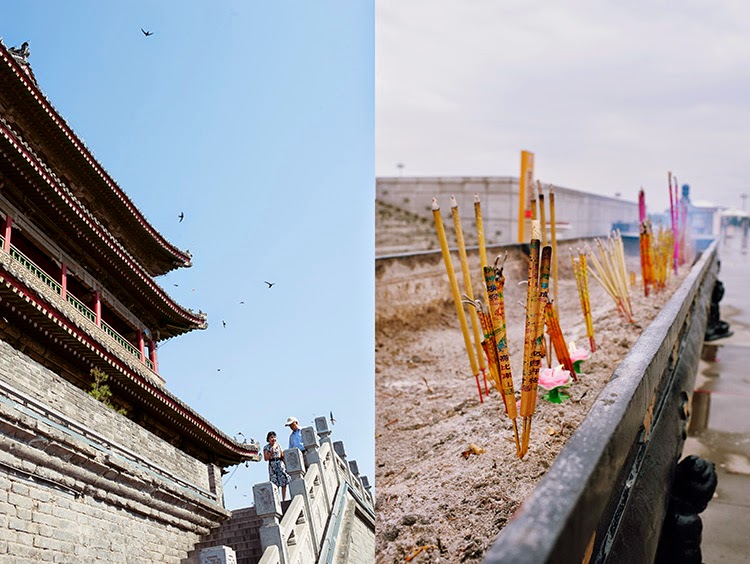
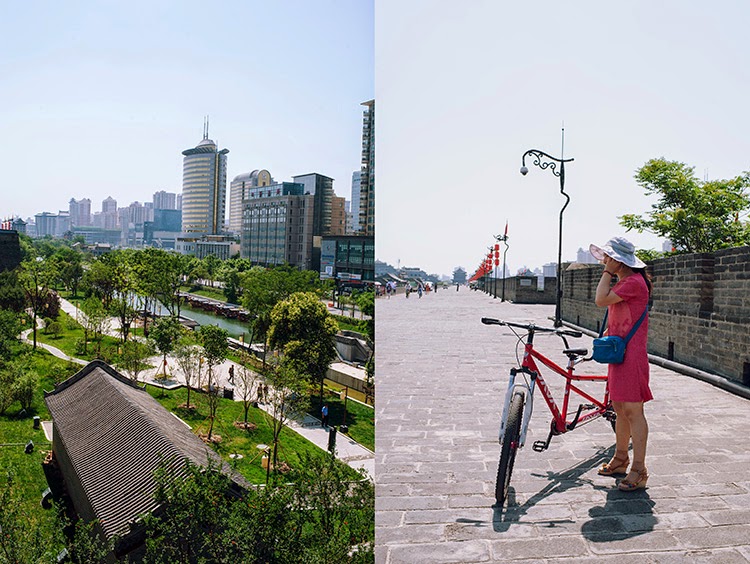
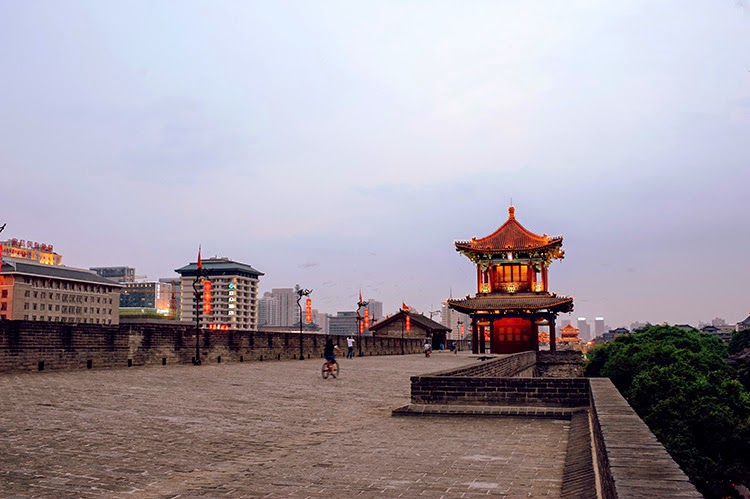
Morning: you get to sleep in this morning, but make it to the Old City Wall by mid-morning to catch some performances there like the changing of the guards. Next, hike up the city wall and rent a bike so you can bike all around the wall. From the wall, you get a nice view of the city.
Afternoon: get away from the high noon weather by hiding out in the Shaanxi History Museum. There are a few hundred thousand cultural relics on exhibit here, dating all the way back to the stone age. It’s free to visit although it only allows 4,000 visitors per day.
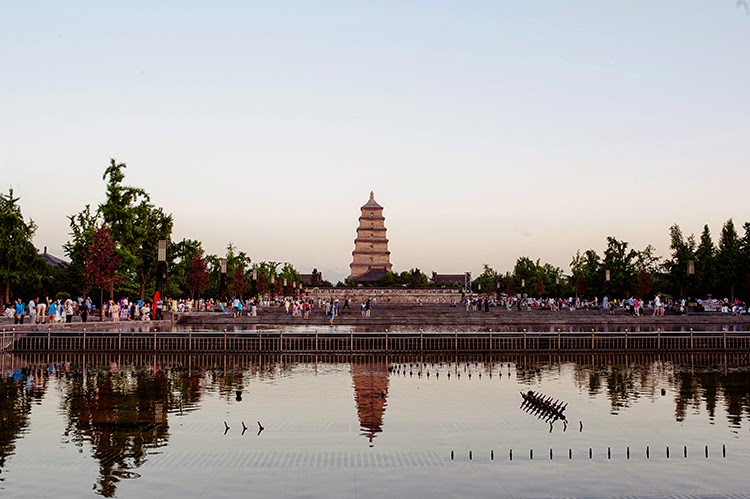
Evening: tonight, you’ll visit the Big Wild Goose Pagoda. Constructed in the Tang Dynasty, when XiAn was the capital of China, the Pagoda is to XiAn as the Statue of Liberty is to New York City. The area around the Pagoda is home to lively entertainment and you can observe how the locals spend their evenings. Stay until 9pm to enjoy a musical water fountain show.
Day 3:
Today, go east and make the trip out of the city to Hushan, one of the five famous mountains in China. Huashan is known for its steep slopes. For the truly adventurous, you can walk on the wooden trail built along a mountain cliff more than 1,000 meters above ground. The 50 meter walk is all supported by wooden blanks 50 centimeters wide. Enjoy the adventure!

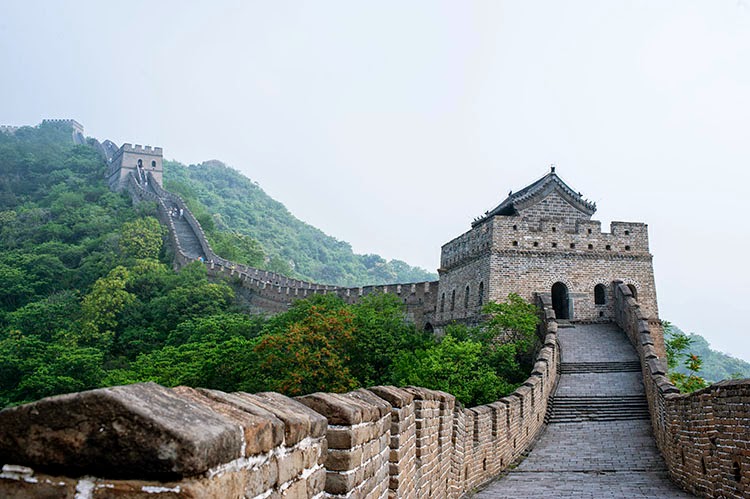
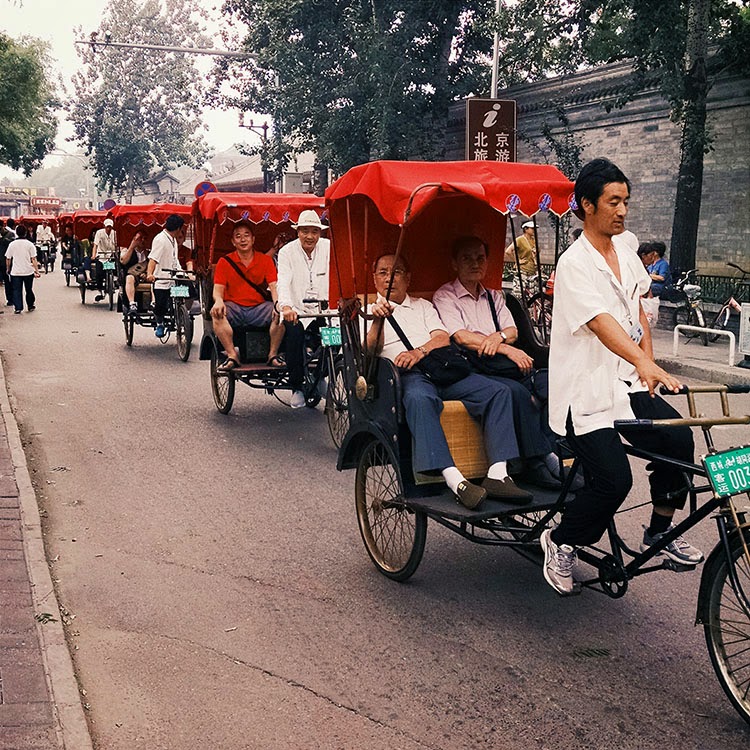
I started the journey in Beijing. As with each visit to the Chinese capital, I first must re-orientate myself with a city that’s ever changing. This time, I discovered the real estate boom had pushed all the way out of the city center. The road that used to run through villages on the outskirt of the city is now a highway zipping through high-rise condominiums.
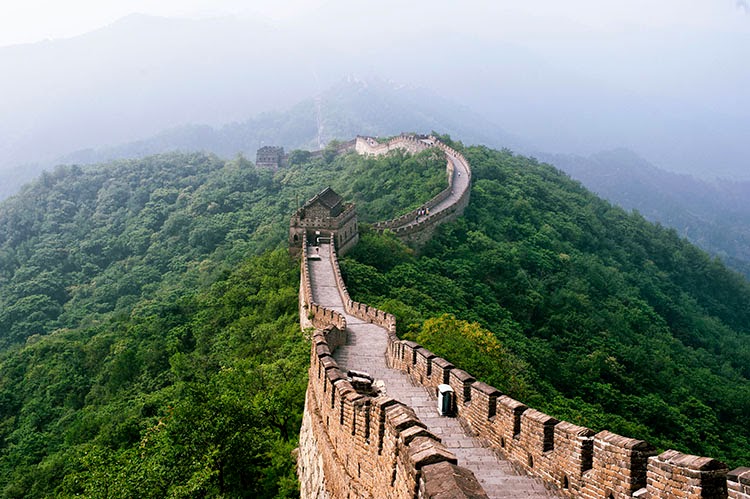
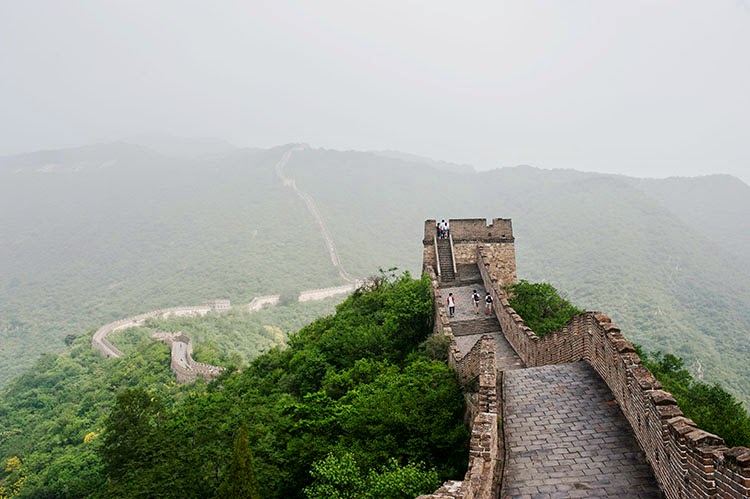
As I’ve come to Beijing for several years now, I am much more selective about the places I visit when I’m in town. But forever on my list is the Great Wall. I always go in the early morning, usually leaving the city before 7am so I can finish my climb before high noon when the sun is blistering and tourists arrive by the bus load. My favorite stretch of the Wall is at Mu Tian Yue. It’s a bit further from the city than other parts of the wall, and a bit smaller, but the view here is the most scenic. In the June heat, the Great Wall looked as majestic as ever. I make a mental note to research options for overnight camping on the Great Wall for my next visit.
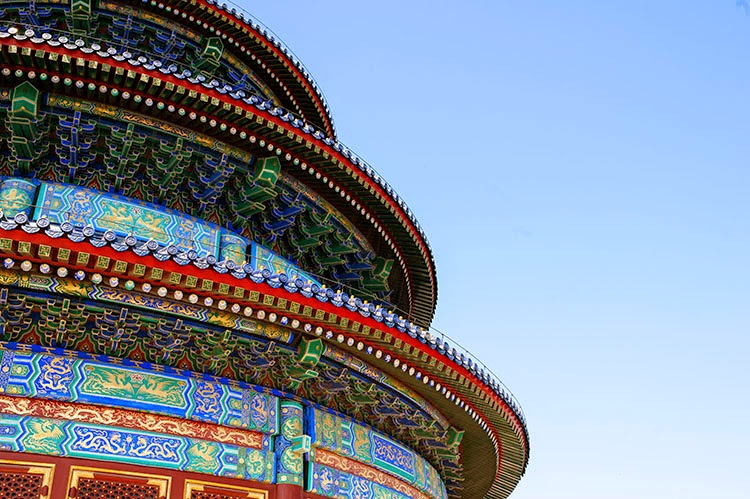
Next up on the list is the Temple of Heaven. I’d only been here once before, as a child when my grandpa took me and my cousins here. Safe for some old photographs, I have no memory of the historical site. The Temple of Heaven looked like something out of Travel & Leisure magazine. Though it has been reconstructed throughout history due to fire and damages, today, the perfect historical structure stands steady and serene in the city.
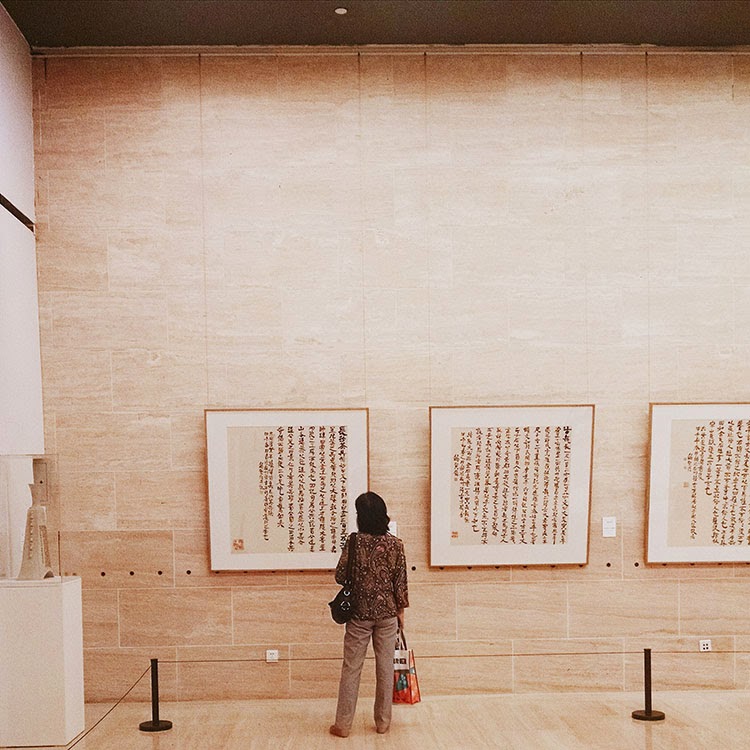
It’s sights like the Great Wall and the Temple of Heaven that just makes me absolutely in awe of this country. The rest of my time in Beijing went by quickly and was filled by lots of family dinners, usually before getting midnight dessert from street stalls and after walking the shopping districts in town. Somehow I also managed to visit the Art of Museum, Bird’s Nest, and go to the top of the TV tower. Stay tuned for more photos from my 1 month trip in China.



I’d heard a lot about Guilin - about the mountains, the river, and the pretty girls and boys of the Chinese minorities in the area. What I didn’t realize was that most of the sights were outside of Guilin city itself, and some only reachable by roads in such poor condition that a mere 30 km drive could take an hour. Still, the beautiful scenery was well worth the trip.
Much of China is temples, urban life, and historical sights. I travelled to Guilin in hopes of something that was not manmade. The beautiful sceneries of Guangxi province came delivering.
More specifically, I came to Guilin looking for the Longji Rice Terraces that I’d seen in photographs. And this sight, the first on our trip, was what won our hearts. It’d rained during our hike up the terrace but the drizzle passed quickly, leaving a mystical aftermath of fog and cloud that danced around the terrace. The rice terrace is beautiful all year around and with different colors during harvest season and in snowfall. I hope I can go back there in the winter.
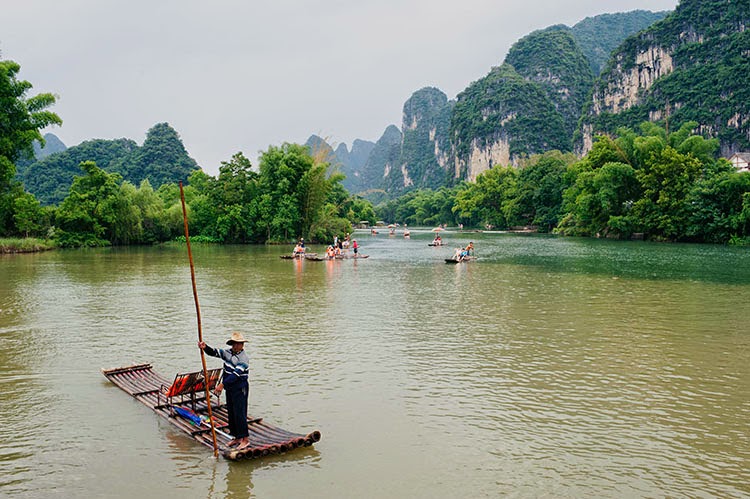
After spending the day in Longji, we went to Yangshuo. Yangshuo county was a different scene altogether from Longji. On the Li River, Yangshuo was a sight of the river twisting and turning, hilltops upon hilltops for miles in sight, and quiet fishing villages. We took a bamboo raft as well as a bigger boat cruise on the Li River.
Everything was more mystical and more beautiful than I’d imagined. For those thinking of visiting Guilin, I highly recommend spending 1 night in Longji so you can catch the sunrise over the rice fields and 1 night in Yangshuo to soak in all the Li River has to offer


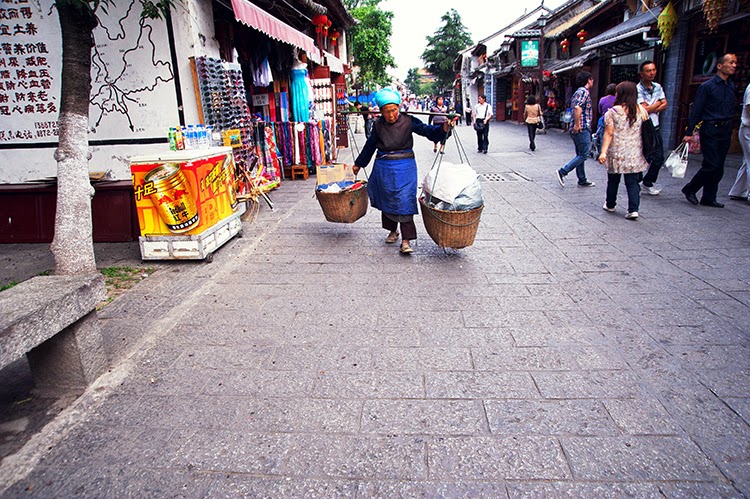
There's an element of delight in coming across old images that you have forgotten about. Such was how I felt when I discovered a folder of unpublished images from Dali on my computer. A year ago, I spent a month in southern China as part of my bi-annual trip to China. The south has a lushness and abundance that I did not expect, it was a beautiful trip.
My photographic style has changed a lot in a year, I care less for sharpness and high contrast. I can't wait to go back there again and put my new sense of style on the place.


I was born in Beijing and lived in China for 11 years. After I moved to North America, I still returned to China frequently and travelled extensively throughout Beijing as well as its southern provinces Hunan and Yunnan. I know the country well and have advised friends on travel itinerary throughout China on many occasions. Having once called this country home, I still feel very drawn to it and want to introduce it to as many people as possible. Here are two basic itinerary for those wanting to visit China.
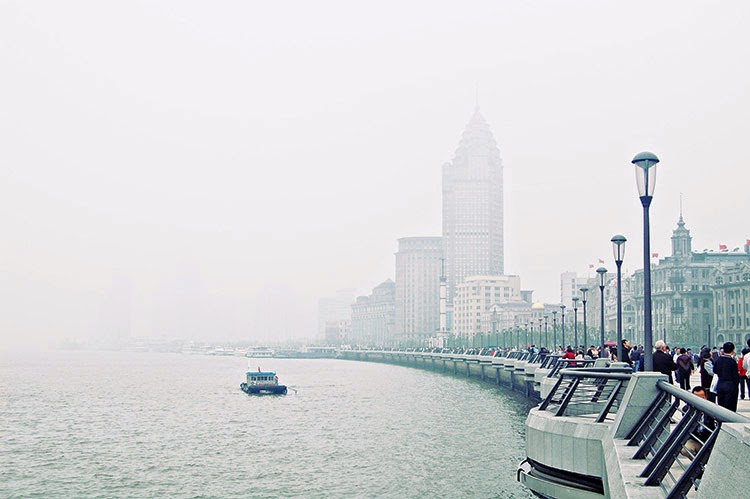
1) Want to hit up the most developed cities in China, visit the tourist attractions and hiking the Great Wall of China? Then going to the Chinese capital followed by a trip to Shanghai is a must, but why not also stop by Nanjing - one of the earliest established cities in China - and check out the scenery along the way.
Itinerary: Beijing > Shanghai > Nanjing
Photos and details of my trip below:
Hiking The Great Wall of China
A Photo Tour of Beijing
A Photo Tour of Pudong, Shanghai
Highlights From The World Exposition 2010 in Shanghai, China


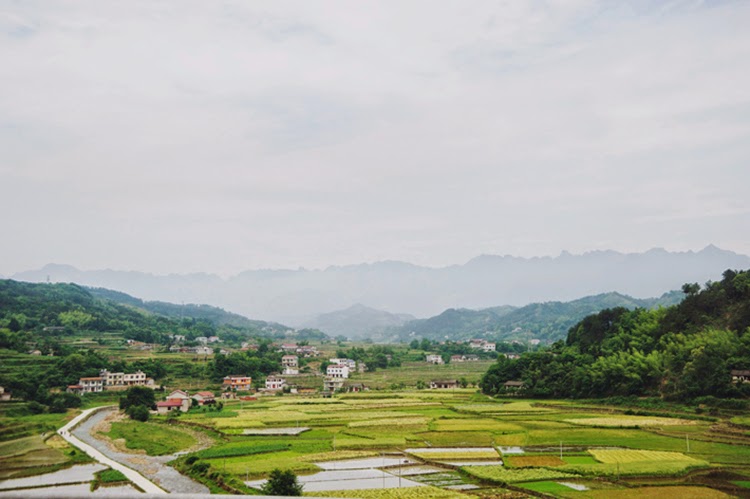
2) If you'd like to get away from the touristy places and get to the more tropical regions for a quiet vacation and enjoy the scenery then head south to Yunnan and Hunnan province. There you'll find Lijiang - the Venice of China - and some beautiful landscapes.
Itinerary: Kunming > Dali > Lijiang > Changsha > ZhangJiaJie National Forest Park
Photos and details of my trip below:
The Real Mountains of Avatar
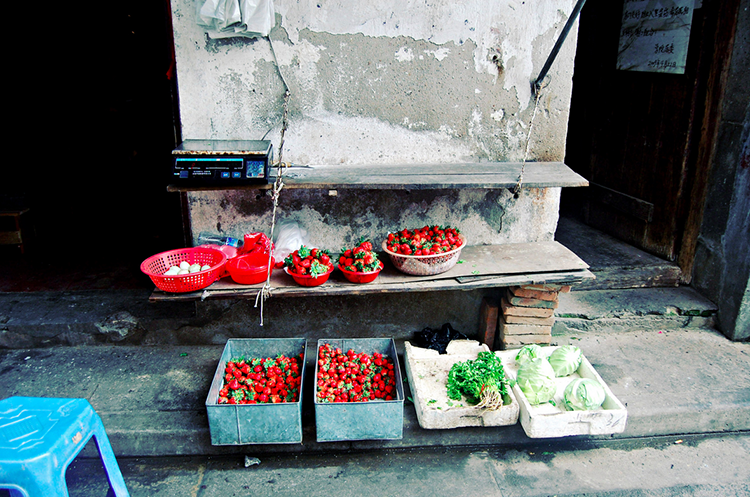
Snapshots from Yunnan, China
My Lijiang
A Forest of Stone in Kunming China
A Day in Dali, Yunnan
Photos from Suburban Changsha
Chinese Traditions of a Cemetery Visit


1) Want to hit up the most developed cities in China, visit the tourist attractions and hiking the Great Wall of China? Then going to the Chinese capital followed by a trip to Shanghai is a must, but why not also stop by Nanjing - one of the earliest established cities in China - and check out the scenery along the way.
Itinerary: Beijing > Shanghai > Nanjing
Photos and details of my trip below:
Hiking The Great Wall of China
A Photo Tour of Beijing
A Photo Tour of Pudong, Shanghai
Highlights From The World Exposition 2010 in Shanghai, China
2) If you'd like to get away from the touristy places and get to the more tropical regions for a quiet vacation and enjoy the scenery then head south to Yunnan and Hunnan province. There you'll find Lijiang - the Venice of China - and some beautiful landscapes.
Itinerary: Kunming > Dali > Lijiang > Changsha > ZhangJiaJie National Forest Park
Photos and details of my trip below:
The Real Mountains of Avatar
Snapshots from Yunnan, China
My Lijiang
A Forest of Stone in Kunming China
A Day in Dali, Yunnan
Photos from Suburban Changsha
Chinese Traditions of a Cemetery Visit


